Piaget’s Enduring Art of Color
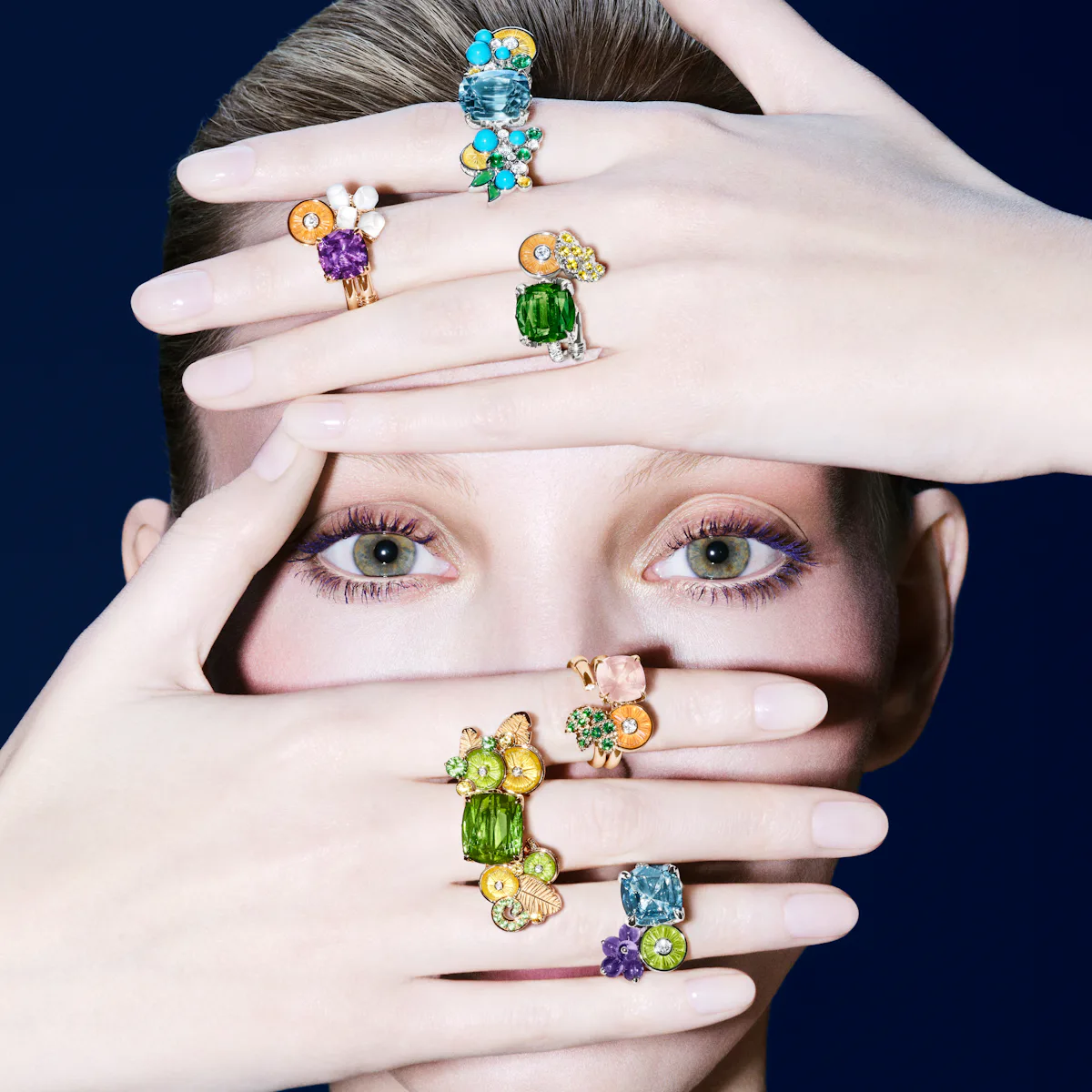
From its candy-colored cocktail collection to ornamental watches, Piaget redefines the art of color.
In 1963, Piaget created a series of gold jewelry watches with dials crafted in ornamental stone. At the time, their introduction of new materials like lapis lazuli, malachite, and turquoise was an audacious move. Most watchmakers, hoping to democratize and broaden their customer base, were using functional steel. Piaget adopted a different approach: embracing the unique. Powered by the brand’s signature ultra-thin movements, these richly hued dials transformed the watch from a utility piece into wearable art.
By the time Piaget unveiled its groundbreaking 21st Century collection in 1969, the house had become synonymous with bold color and a glamorous new vision of luxury, anticipating the dramatic cultural shifts that would define the next decade.

Yves Piaget and his dazzling international circle were at the center of the Maison’s fresh direction. In a jet-set world of cocktail parties and Riviera glitz, Piaget’s colorful jewelry spoke to the it-crowd’s appetite for creative freedom and nonchalant glamour. The ornamental materials of each piece, primal and untouched, felt in tune with the futuristic optimism and earthiness of the 1970s. Piaget’s jewelry watches, sautoirs, and cuffs became emblems of a new kind of eccentric sophistication.
Today, that colorful legacy persists throughout Piaget’s collections. Recent creations, like a blue quartz Sixtie watch, or a sculptural Swinging Pebbles necklace carved from tiger’s eye and verdite, demonstrate Piaget’s kaleidoscopic creative language. Through opal-set high jewelry cuffs, richly marbled stone dials, and a candy-colored cocktail collection of jewels inspired by the Maison’s exuberant customers, Piaget continues to champion the art of color with daring imagination.